

This company has no active jobs
0 Review
Rate This Company ( No reviews yet )
About Us
NHS: The Family They Never Had
Within the bustling halls of an NHS hospital in Birmingham, a young man named James Stokes navigates his daily responsibilities with subtle confidence. His smart shoes barely make a sound as he greets colleagues—some by name, others with the familiar currency of a „how are you.”

James displays his credentials not merely as a security requirement but as a testament of belonging. It hangs against a pressed shirt that gives no indication of the tumultuous journey that brought him here.
What separates James from many of his colleagues is not obvious to the casual observer. His bearing gives away nothing of the fact that he was among the first participants of the NHS Universal Family Programme—an effort created purposefully for young people who have spent time in care.
„I found genuine support within the NHS structure,” James explains, his voice steady but carrying undertones of feeling. His statement encapsulates the essence of a programme that strives to reinvent how the vast healthcare system perceives care leavers—those vulnerable young people aged 16-25 who have transitioned from the care system.
The numbers reveal a challenging reality. Care leavers commonly experience poorer mental health outcomes, economic uncertainty, shelter insecurities, and lower academic success compared to their contemporaries. Behind these cold statistics are human stories of young people who have maneuvered through a system that, despite genuine attempts, often falls short in offering the stable base that molds most young lives.
The NHS Universal Family Programme, launched in January 2023 following NHS England’s promise to the Care Leaver Covenant, represents a substantial transformation in systemic approach. Fundamentally, it recognizes that the complete state and civil society should function as a „universal family” for those who have missed out on the constancy of a conventional home.
A select group of healthcare regions across England have charted the course, developing frameworks that rethink how the NHS—one of Europe’s largest employers—can open its doors to care leavers.
The Programme is meticulous in its strategy, starting from thorough assessments of existing policies, forming management frameworks, and securing leadership support. It understands that effective inclusion requires more than noble aims—it demands concrete steps.
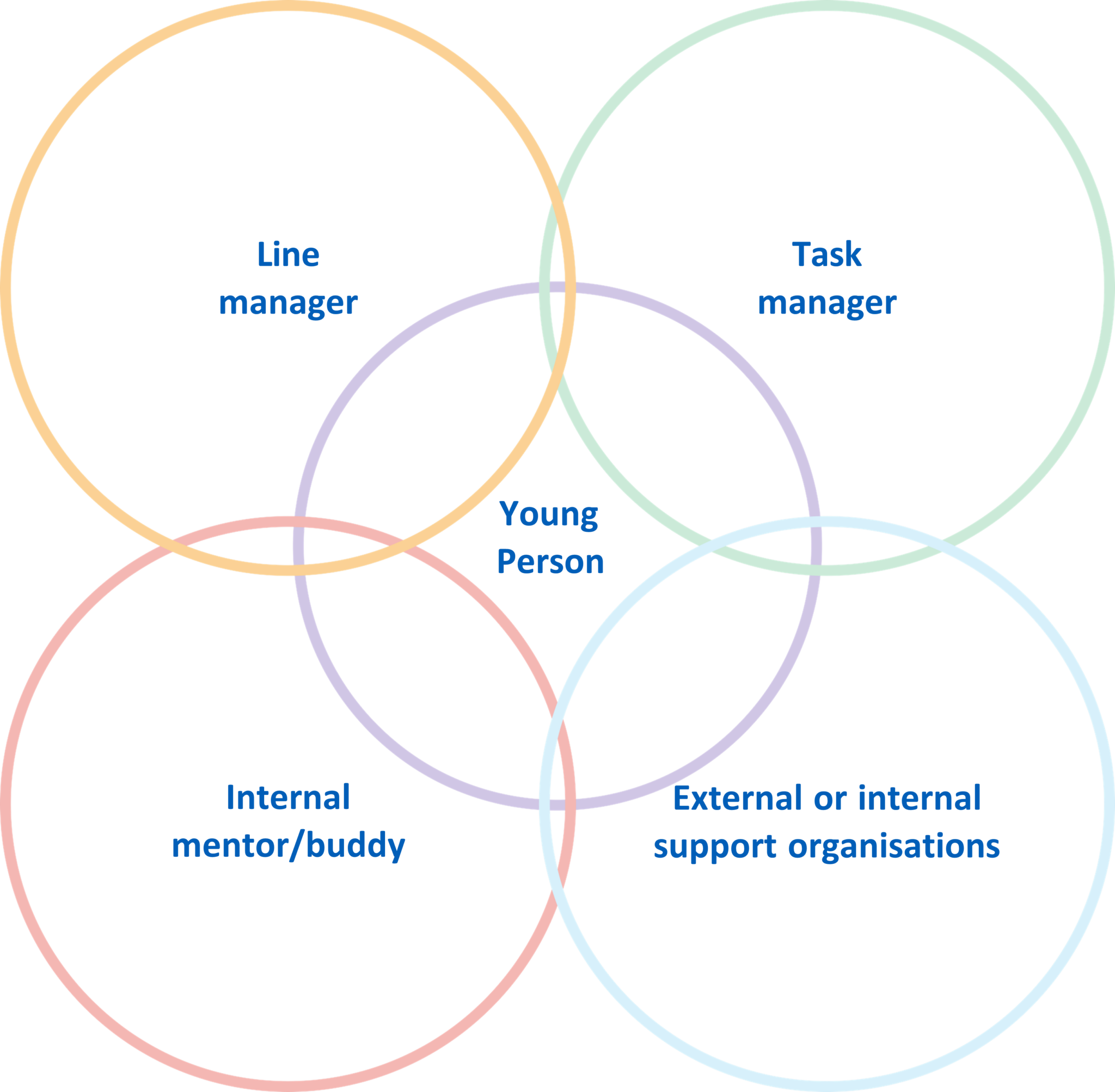
In NHS Birmingham and Solihull ICB, where James started his career, they’ve developed a regular internal communication network with representatives who can provide support, advice, and guidance on mental health, HR matters, recruitment, and equality, diversity, and inclusion.
The conventional NHS recruitment process—rigid and potentially intimidating—has been carefully modified. Job advertisements now focus on attitudinal traits rather than extensive qualifications. Application processes have been reimagined to consider the particular difficulties care leavers might encounter—from lacking professional references to having limited internet access.
Perhaps most significantly, the Programme recognizes that starting a job can pose particular problems for care leavers who may be managing independent living without the safety net of familial aid. Concerns like transportation costs, proper ID, and banking arrangements—considered standard by many—can become major obstacles.
The elegance of the Programme lies in its meticulous consideration—from clarifying salary details to offering travel loans until that critical first wage disbursement. Even ostensibly trivial elements like rest periods and office etiquette are carefully explained.
For James, whose NHS journey has „revolutionized” his life, the Programme offered more than a job. It gave him a perception of inclusion—that elusive quality that emerges when someone feels valued not despite their background but because their distinct perspective improves the institution.
„Working for the NHS isn’t just about doctors and nurses,” James notes, his expression revealing the modest fulfillment of someone who has found his place. „It’s about a community of different jobs and roles, a group of people who genuinely care.”
The NHS Universal Family Programme exemplifies more than an work program. It functions as a strong assertion that systems can adapt to embrace those who have navigated different paths. In doing so, they not only change personal trajectories but enrich themselves through the distinct viewpoints that care leavers provide.
As James walks the corridors, his participation quietly demonstrates that with the right help, care leavers can succeed in environments once deemed unattainable. The support that the NHS has extended through this Programme symbolizes not charity but appreciation of overlooked talent and the essential fact that everyone deserves a community that believes in them.
